Electropolishing and Passivation for Transportation and Rail Components
Rail cars, transit vehicles, and railroad equipment rely on welded stainless steel for everything from structural framing to visible interior fixtures. Electro-Max provides passivation and electropolishing services that restore corrosion resistance after welding and prepare these components for the demanding conditions of daily transportation use, whether that means resisting road salt on an undercarriage assembly or holding a clean finish on a passenger-facing handrail.
- Passivation of welded railcar and transit assemblies
- Electropolishing of stainless steel interior and structural components
- Weld descaling to clear heat tint left by fabrication welds
- ASTM A967 and A380 passivation for compliance documentation

Specialized Finishing for Welded Stainless Steel Assemblies
Fabricating a railcar interior panel, handrail assembly, or undercarriage bracket typically means welding sections of stainless steel together, and that welding process disrupts the metal's natural resistance to corrosion at every joint. The heat generated during welding depletes the chromium content in and around the weld seam, leaving that area more vulnerable to rust than the surrounding base metal.
We provide passivation to chemically restore that protective layer and electropolishing to remove the surface imperfections welding leaves behind, so finished assemblies hold up under the vibration, weather exposure, and daily wear that come with transportation service.
Finishing Challenges Unique to Rail and Transit Equipment
Unlike stationary industrial equipment, rail and transit components stay in motion and stay in public view, conditions that call for a finishing process suited to the specific risk each part faces, from a welded seam beneath the car to a handrail a passenger touches every day.
Restoring Corrosion Resistance After Welding
Welding burns chromium out of the heat-affected zone, leaving that area less corrosion-resistant than the surrounding stainless steel, which is often where rust starts first on a railcar or transit structure. Passivation chemically restores the chromium oxide layer, while electropolishing removes the depleted layer entirely.
Maintaining a Cosmetic Finish for Interior Components
Grab bars, stanchions, and luggage racks stay in constant view of passengers, so weld discoloration stands out even when it is only cosmetic. Electropolishing removes that heat tint along with surface irregularities, leaving a bright, uniform finish across the base metal and weld alike.
Withstanding Exterior and Undercarriage Exposure
Undercarriage and exterior components face repeated exposure to road salt and de-icing chemicals, which cling more readily to rough surfaces. Electropolishing smooths the metal's surface, helping it shed salt and moisture and resist the localized corrosion that road salt exposure causes.
Certified Metal Finishing for Transportation and Rail Components
Electro-Max works with the stainless steel grades most common in rail and transit fabrication, applying the finishing process each component calls for based on its material and its intended use. For rail and transit fabrication, our most requested services include:
- Passivating stainless steel handrails, panels, and structural assemblies
- Electropolishing 300 series stainless steel interior components and fixtures
- Electropolishing 400 series stainless steel for high temperature exhaust and structural parts
- Weld descaling to clear heat discoloration left behind by fabrication welds
- Stainless steel pickling for large scale panel and piping runs
- ASTM A967 and A380 passivation to meet project compliance documentation


Request a Quote for Transportation Metal Finishing
Whether you are fabricating a single custom assembly or finishing components at production volume, our team can match the right passivation or electropolishing process to your rail or transit application. Share your part drawings and specifications, and we will recommend a finishing approach and next steps.
Industries Served
for Electropolishing & Passivation ServicesElectro-Max, Inc. is your go-to for all electropolishing services in a variety of industries! Certain industries need high levels of durability and corrosion resistance in their finished parts. Turn to Electro-Max, Inc. for first-class electropolishing and passivation services.
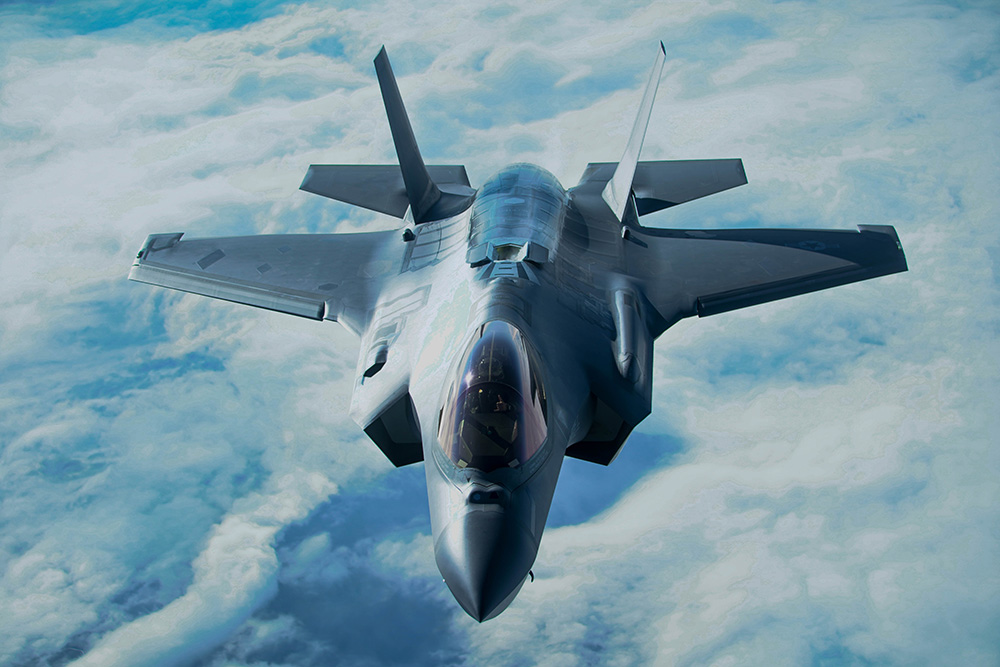
Aerospace has some of the most stringent requirements of any industry with respect to the structural integrity of metal parts.
Learn More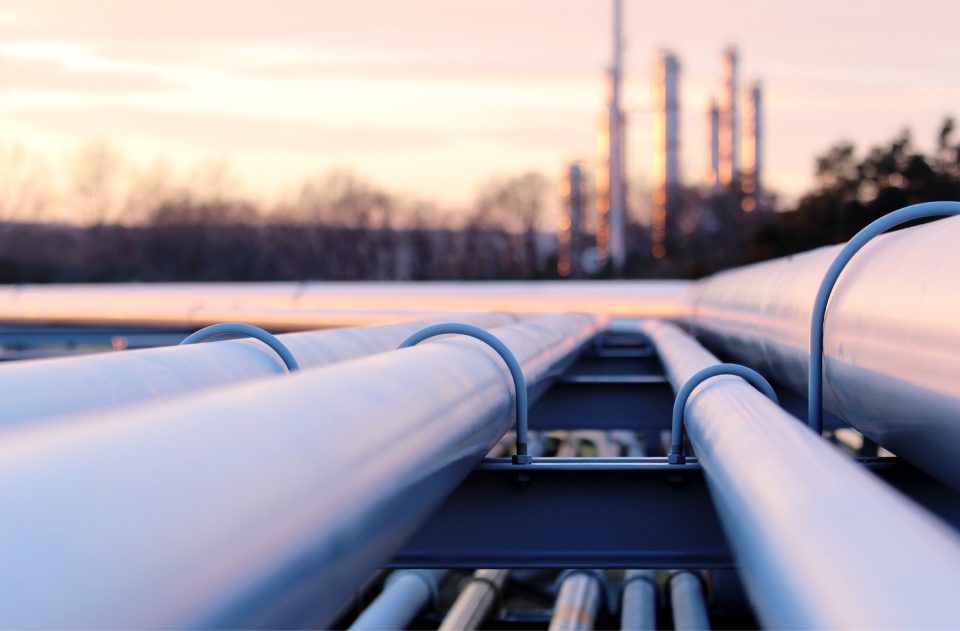
By utilizing electropolishing services for stainless steel components, the oil and gas industry can benefit from improved corrosion resistance, efficient cleanability, enhanced surface cleanliness, visual inspection capabilities, and more.
Learn More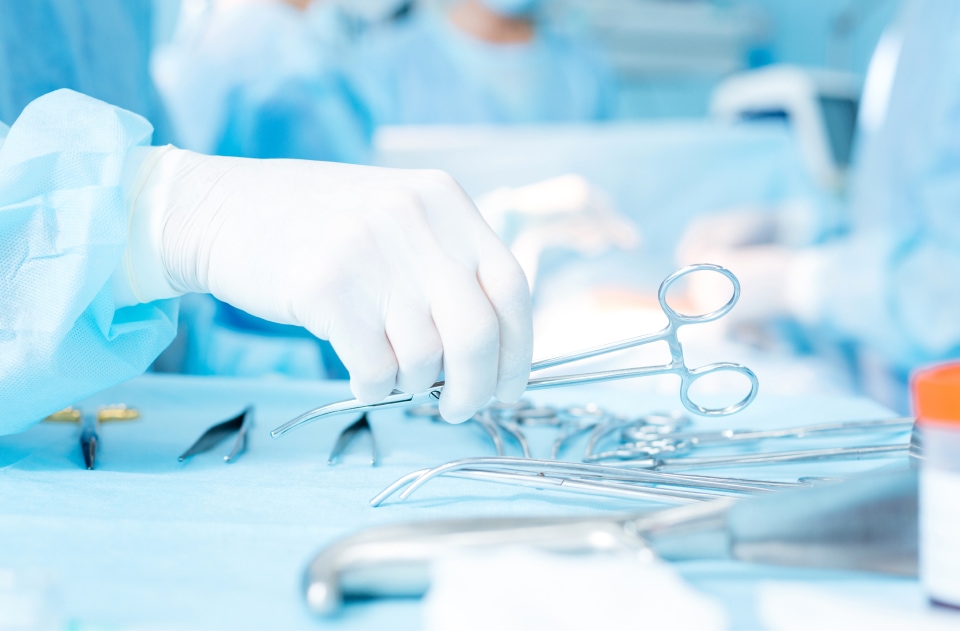
In the ever-evolving landscape of medical technology, precision, cleanliness, and longevity are paramount. Electro-Max, Inc. stands at the forefront, offering specialized medical electropolishing services and medical passivation services.
Learn More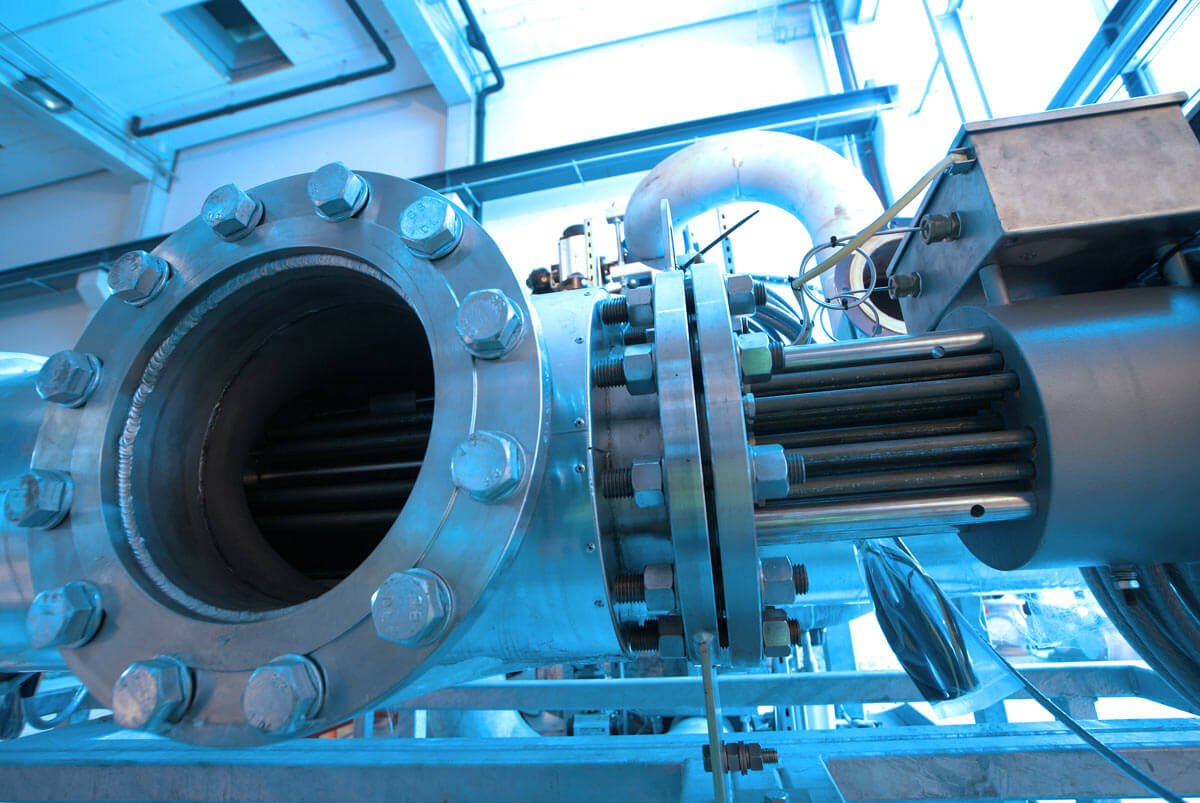
Electropolishing and passivation are both widely used processes in the nuclear industry. Often used for parts that will be subjected to radioactive environments where surface smoothness cleanability is very important.
Learn More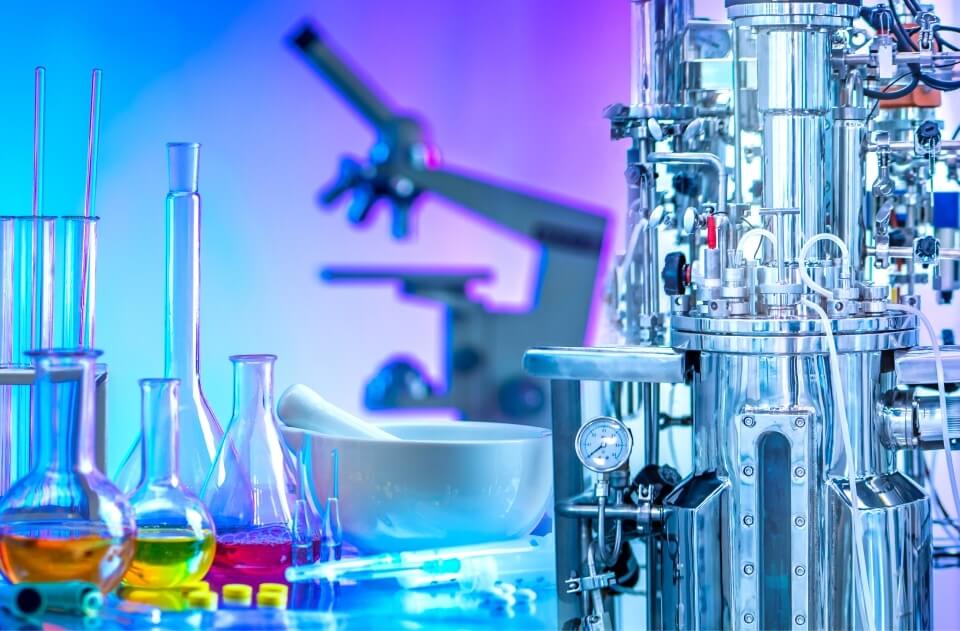
In the high-stakes industries of pharmaceuticals and bio-processing, precision, purity, and product quality are non-negotiable.
Learn More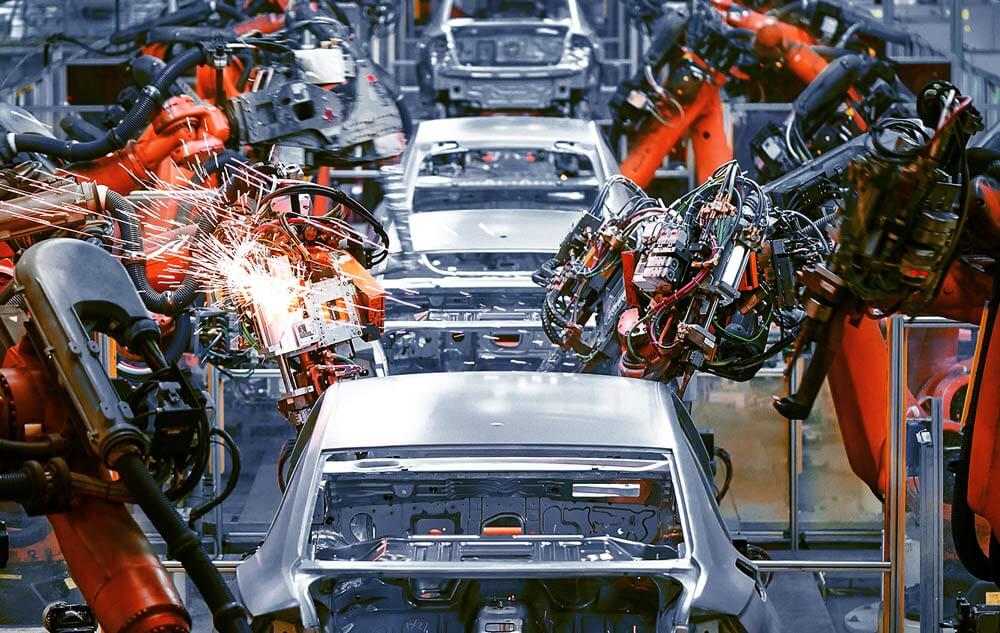
In the dynamic realm of automotive engineering, precision, durability, and top-tier performance are imperative. To meet the rigorous standards of the Automotive industry, the specialized processes of auto parts electropolishing and automotive parts passivation are crucial.
Learn MoreFAQs
Stainless steel gets its corrosion resistance from a chromium oxide layer that forms naturally on its surface, but the heat from welding burns off chromium right at the joint, leaving that specific area without the same protection as the rest of the part. Passivation restores the chromium oxide layer chemically after welding is complete, giving the entire assembly, including every weld seam, the corrosion resistance the base material is known for.
Not necessarily. The heat tint that appears around a stainless steel weld is often just an oxide film on the surface, a cosmetic effect rather than active corrosion. That said, the same welding heat that causes the discoloration also depletes the chromium underneath it, so while the color change itself is not corrosion, the area is now more susceptible to it if left untreated. Weld descaling removes the discoloration, and passivation or electropolishing addresses the underlying vulnerability.
Yes, particularly on components with a rougher surface finish. Road salt and de-icing chemicals cling more readily to textured or pitted metal, and prolonged contact can break down the passive layer and cause localized corrosion over time. A smoother surface, like the one electropolishing produces, sheds salt and moisture more effectively and holds up better in exterior and undercarriage applications exposed to winter road conditions.
Do you have questions?
Ask an expert today.
Give us a call or fill out the form below and one of our team members will be in touch as soon as possible.
*marks required fields
Or Give Us a Call
(847) 683-4100