
Electropolishing Stainless Steel Services
Electropolishing is an electrochemical polishing process that removes surface imperfections including impurities, burrs, and other defects. The reverse plating process creates a smooth surface on metal objects that is microscopically featureless. This type of metal finishing process leaves parts ultraclean, micro-finished, and corrosion protected. The Electropolishing process can be done on stainless steel and other metal alloys.
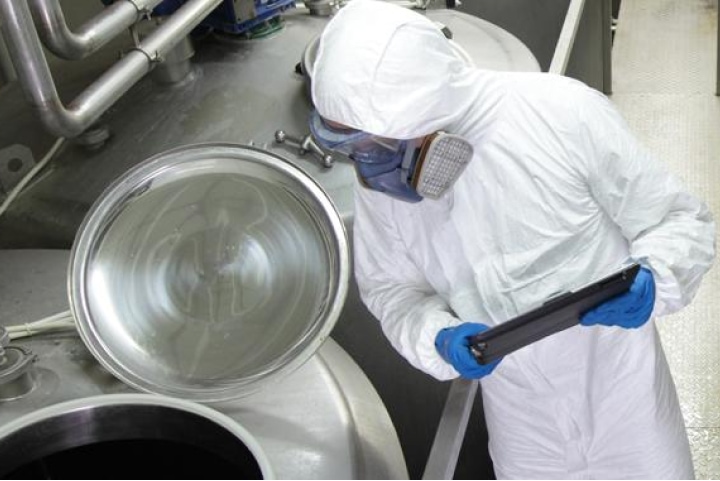
The Electropolishing Process
Electropolishing is a reverse plating process. Parts are fixtured onto a special rack or basket, then lowered into a specially blended chemical bath and exposed to electrical current. Instead of adding material to the surface like electroplating, we remove material at a controlled rate, smoothing out imperfections such as impurities, burrs, and other defects.
The electrical current drives a chemical reaction that levels the surface's micro-peaks and valleys, removing an extremely thin, uniform layer of metal exactly to customer specifications. This delivers ultra cleaning, micro-finishing, and corrosion protection. Our general electropolishing service for stainless steel is specified to ASTM B912-00.
Need more information about electropolishing stainless steel? Check out What is Electropolishing? to learn more.
Certifications
Electro-Max is certified to ISO 9001, ISO 14001, and ISO 13485, and is Nadcap-accredited for aerospace processing.


Why Choose Electro-Max for Electropolishing
Electropolishing stainless steel, and all electropolishing services, offer a wide variety of benefits over mechanical metal finishing counterparts. While conventional stainless-steel finishing can smear, bend, stress, or fracture the metal surface during the metal polishing process, electropolishing’s unidirectional pattern removes metal defects from the surface in a stress and occlusion-free method. The electropolish process leaves many ferrous and nonferrous metals microscopically smooth, highly reflective and completely passive imparting superior rust and corrosion resistance. Contact us today to learn more about our electropolishing services, and electropolishing stainless steel.
Another benefit of electropolishing stainless steel & services, as opposed to conventional metal finishing, is that the process both micro-polishes and macro-polishes surfaces. The micro-polishing gives the surface brightness, while the macro-polishing ensures smoothness.
The oxygen rich chemical bath the parts are placed in during the electropolish process removes hydrogen from the metal’s surface, protecting against hydrogen embrittlement. This makes electropolishing the ideal metal finishing for medical, pharmaceutical, and semiconductor industries, as no directional lines and a hydrogen free surface provide an ultraclean, hygienic surface reducing or eliminating bacteria and corrosion sites.
Key Benefits of Electropolishing
- Stress relief of surface
- Removes oxide
- Passivation of stainless steel — check out benefits of passivation, as well
- Superior corrosion resistance
- Hygienically clean surfaces
- Decarbonization of metals
- No hydrogen embrittlement
- Low-resistance welding surface
- Several electropolishing industries & applications served
Request a Quote for Electropolishing Services
Ready to move forward? Share your part specifications, material, and industry requirements, and our team will follow up with a custom electropolishing quote.
FAQs
No. Both are surface treatments for stainless steel, but they work differently. Electropolishing removes a thin, controlled layer of metal to smooth and brighten the surface. Passivation removes free iron from the surface without removing base metal, restoring the chromium oxide layer that gives stainless steel its corrosion resistance.
Yes. While stainless steel is the most common material electropolished, the process can also be applied to other metal alloys, including nickel-based alloys like Inconel. See electropolishing materials for the full list of alloys we work with.
No. Electropolishing produces a passive, corrosion-resistant surface on its own. The process removes surface contaminants and levels micro-peaks and valleys, leaving a clean, smooth finish that doesn't require additional coating for most applications.
Do you have questions?
Ask an expert today.
Give us a call or fill out the form below and one of our team members will be in touch as soon as possible.
*marks required fields
Or Give Us a Call
(847) 683-4100