300 Series Stainless Steel Passivation Services
Companies across diverse manufacturing sectors require metal components that can withstand harsh operating environments without rusting. While austenitic alloys are naturally resistant to corrosion, the machining and fabrication processes leave behind surface contaminants that compromise their integrity. We provide 300 series stainless steel passivation services that remove these impurities to maximize the lifespan of your critical parts. With over two decades of experience, Electro-Max, Inc. delivers flawless metal finishing for the most demanding operating environments.

Restoring the Protective Oxide Layer on Austenitic Alloys
When 300 series stainless steel is cut or welded, microscopic particles of free iron are transferred onto the surface of the metal. If left untreated, these iron deposits will oxidize and cause the entire component to rust. To prevent this, the passivation process submerges the parts in a specialized acid bath that dissolves this free iron completely. This accelerates the formation of a dense chromium oxide layer that acts as a permanent shield against future corrosion.
Common 300 Series Grades We Passivate
When passivating stainless steel, we tailor our chemical baths to match the specific composition of each alloy. Our technicians carefully monitor the temperature and immersion time to ensure the highest level of corrosion resistance for these widely used austenitic grades.
Grade 303 Stainless Steel
Because 303 stainless steel contains added sulfur for improved machinability, it requires a highly precise passivation approach. We utilize specialized chemical controls to prevent the sulfur from causing surface frosting or flash attacks during the acid bath.
Grade 304 Stainless Steel
As the most versatile and widely used grade in the 300 series, 304 stainless steel is a staple in the food and beverage industry. Our passivation services ensure these parts meet strict sanitary requirements by removing all trace contaminants left behind by fabrication tools.
Grade 316 Stainless Steel
Grade 316 contains molybdenum to provide exceptional resistance to chlorides and harsh chemicals. We passivate these components to guarantee their long-term performance in marine environments and critical medical device manufacturing.
Other 300 Series Alloys We Passivate
Beyond the standard manufacturing alloys, our chemical baths are formulated to safely treat highly specialized materials. We routinely remove free iron and restore the passive chromium oxide layer on the following 300 series variants:
- 301
- 302
- 305
- 321
- 347
- 304 Sintered
- 318 (2205 Duplex)
- 330 (Cast)


Certified Metal Finishing for Highly Regulated Markets
We operate under the strictest quality control standards in the metal finishing industry. As a Nadcap accredited facility, we are one of the few providers qualified to passivate components for the aerospace sector. We also maintain ISO 9001 and ISO 13485 certifications, ensuring complete traceability and compliance for every medical and industrial part we process.
Request a Quote for 300 Series Passivation
Protect your austenitic stainless steel components with our validated chemical treatments. Contact Electro-Max, Inc. today to discuss your specific alloy requirements and request a quote for our passivation services.
Industries Served
for Electropolishing & Passivation ServicesElectro-Max, Inc. is your go-to for all electropolishing services in a variety of industries! Certain industries need high levels of durability and corrosion resistance in their finished parts. Turn to Electro-Max, Inc. for first-class electropolishing and passivation services.
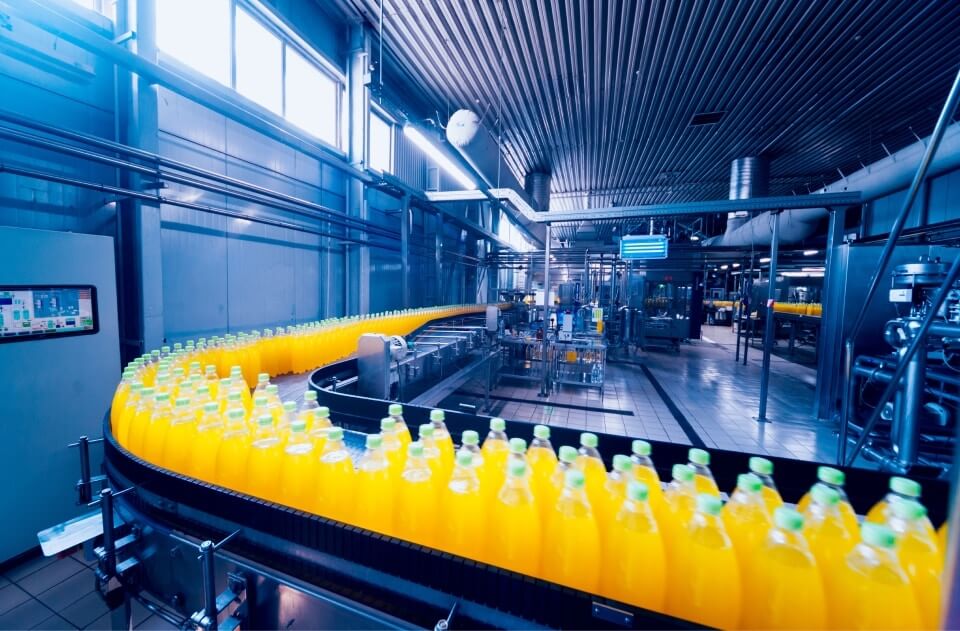
Don’t put your equipment at risk! Electropolishing and passivation services from Electro-Max are proven solutions for improving the corrosion resistance of food-grade metal parts.
Learn More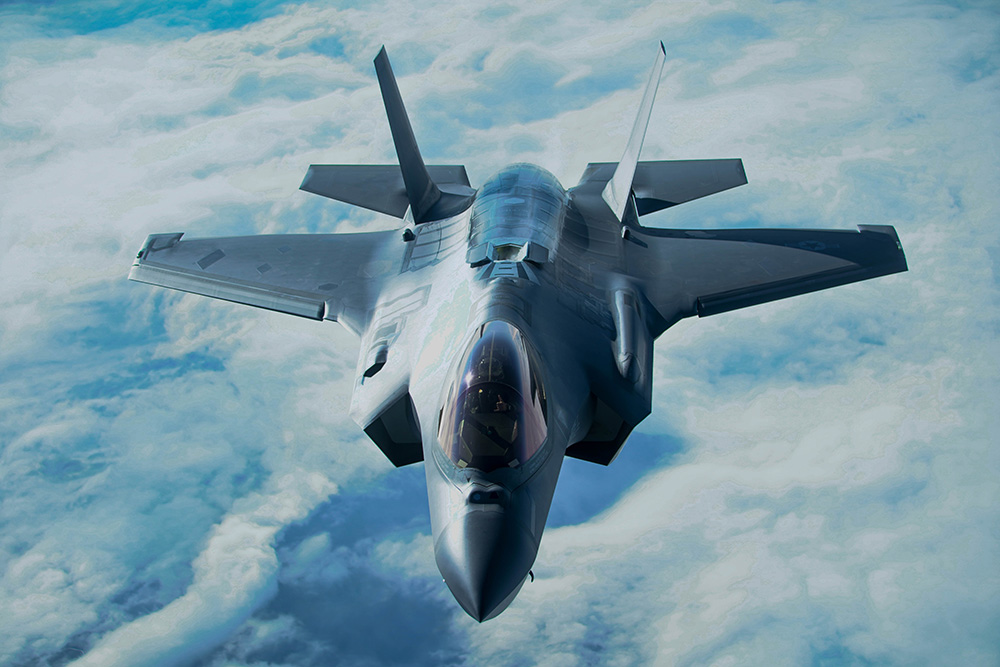
Aerospace has some of the most stringent requirements of any industry with respect to the structural integrity of metal parts.
Learn More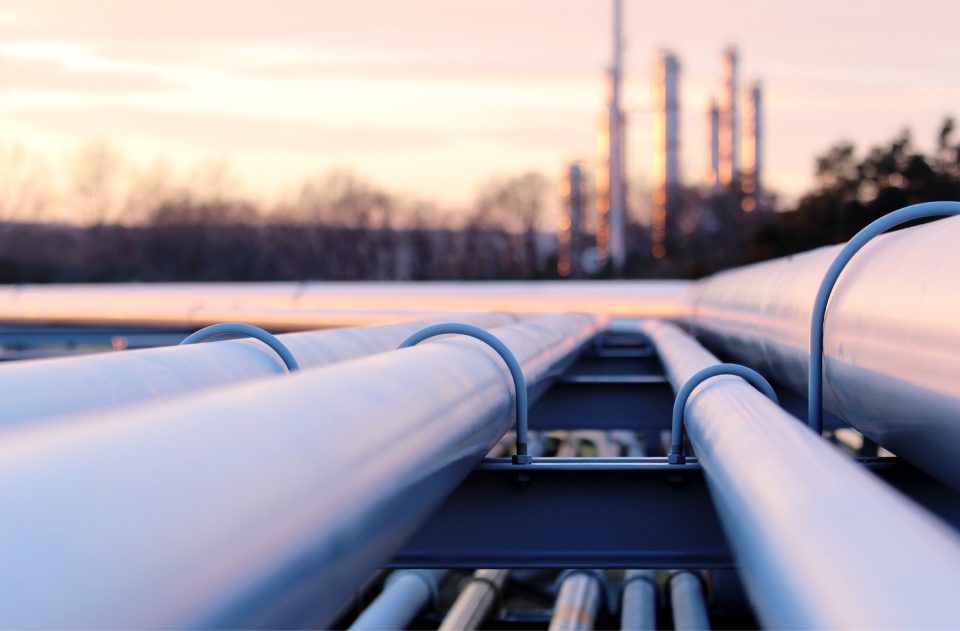
By utilizing electropolishing services for stainless steel components, the oil and gas industry can benefit from improved corrosion resistance, efficient cleanability, enhanced surface cleanliness, visual inspection capabilities, and more.
Learn More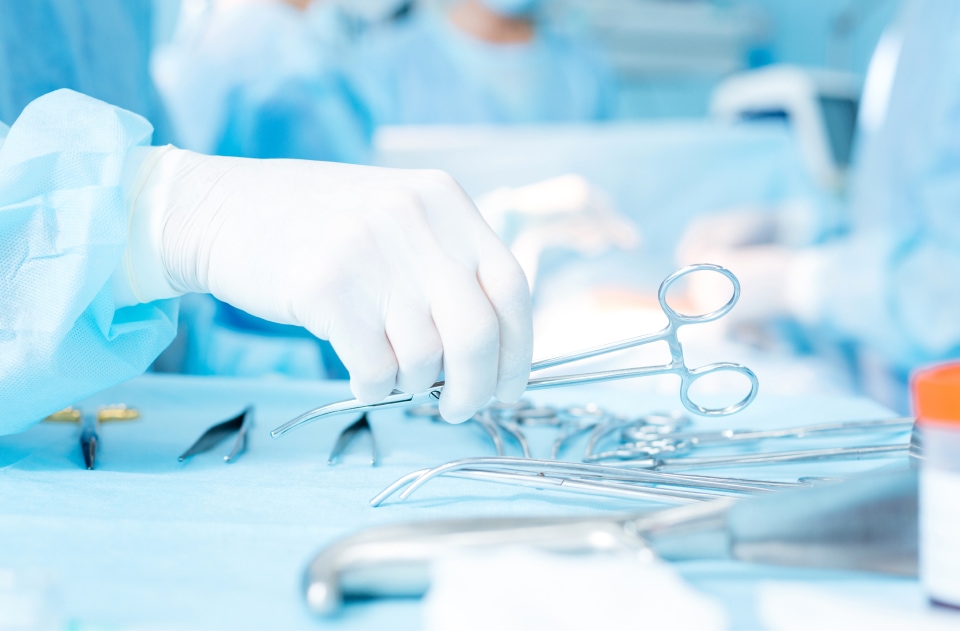
In the ever-evolving landscape of medical technology, precision, cleanliness, and longevity are paramount. Electro-Max, Inc. stands at the forefront, offering specialized medical electropolishing services and medical passivation services.
Learn More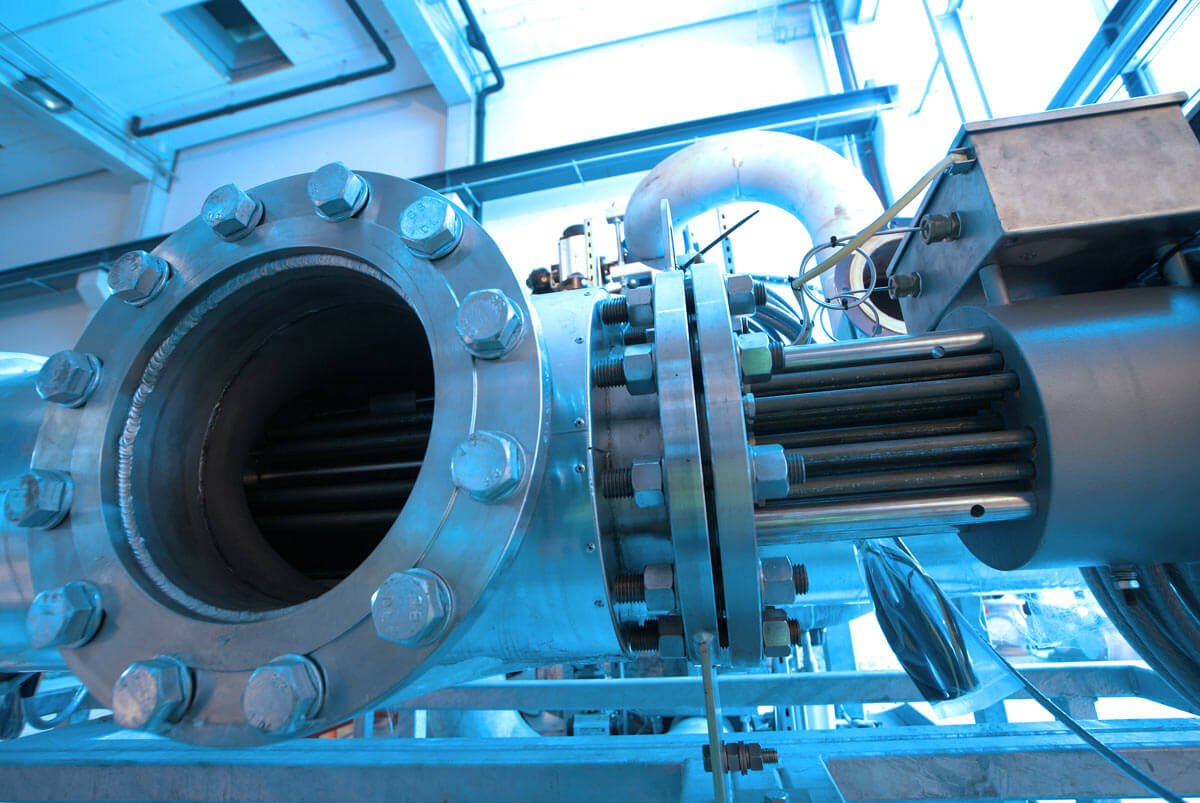
Electropolishing and passivation are both widely used processes in the nuclear industry. Often used for parts that will be subjected to radioactive environments where surface smoothness cleanability is very important.
Learn More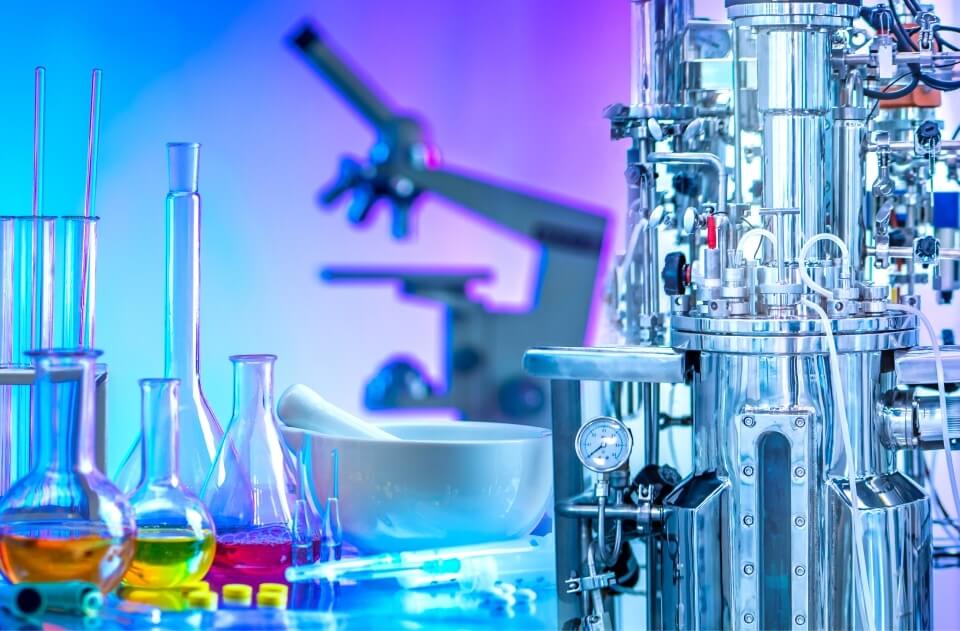
In the high-stakes industries of pharmaceuticals and bio-processing, precision, purity, and product quality are non-negotiable.
Learn MoreFAQs
Grade 303 contains added sulfur to make it easier to machine. However, this sulfur can react with standard passivation acids, causing the surface to etch or frost. We use specialized bath controls and chemical ratios to safely passivate 303 without damaging the part.
Yes. Even though 316 and 316L contain molybdenum for superior corrosion resistance, the manufacturing process still deposits microscopic free iron onto the surface. Passivating these marine and medical-grade alloys ensures their protective chromium oxide layer forms completely.
A flash attack occurs when the passivation acid severely etches the metal, leaving a dull, frosted appearance. In the 300 series, this is usually caused by improper chemical ratios when treating high-sulfur grades or failing to thoroughly degrease the parts before they enter the acid bath.
Do you have questions?
Ask an expert today.
Give us a call or fill out the form below and one of our team members will be in touch as soon as possible.
*marks required fields
Or Give Us a Call
(847) 683-4100